
ADA Compliant Website Design for Nursing Homes and Healthcare
WHY SNF WEB DESIGN
A nursing home website is read by older adults, by family members on their phones, and by residents and staff with low vision, hearing loss, limited hand movement or trouble reading small text. An accessible website works for all of them, and it is increasingly something regulators expect.
The standard most rules point to is WCAG, the Web Content Accessibility Guidelines. HHS’s Section 504 rule names WCAG 2.1 Level AA for the web content of organizations that receive HHS funding, which includes nursing homes that take Medicare or Medicaid. After an extension in May 2026, the compliance dates are May 11, 2027 for organizations with 15 or more employees and May 10, 2028 for smaller ones. We build to WCAG 2.2 AA, which covers the 2.1 AA requirements and adds newer ones for keyboard focus, touch target size and forms.
No vendor can promise that a website will never draw a complaint, and no certificate makes you immune. What we do is build to WCAG 2.2 AA, audit with automated and manual checks, and tell you what we find. This page is general information, not legal advice, so ask your attorney how the rules apply to your facility. To talk about your website, call 866-349-1681.

Read our own accessibility statement to see how we test this website, or see medical website design and web design for skilled nursing facilities.
New Accessible Websites
Pages built to WCAG 2.2 AA from the first design: readable color contrast, a clear heading structure and full keyboard navigation.
Accessibility Audit
Automated scans plus manual checks with a keyboard and a screen reader, then a plain-language list of what to fix first.
Forms That Work for Everyone
Visible labels, clear error messages and no puzzles to solve on contact and tour request forms.
Images, Video and Documents
Text descriptions for images, captions for video you ask us to embed, and guidance on PDFs that need fixing.
Menus, Popups and Sliders
Navigation, accordions and carousels that work with a keyboard and are announced correctly to screen readers.
Accessibility Statement
A public page that says which standard you build to, how you test and how people can report a problem.
Strategy that works.
Creative that connects.
Call 866-349-1681 or send us a message and we will tell you what we would fix first.

Portfolio
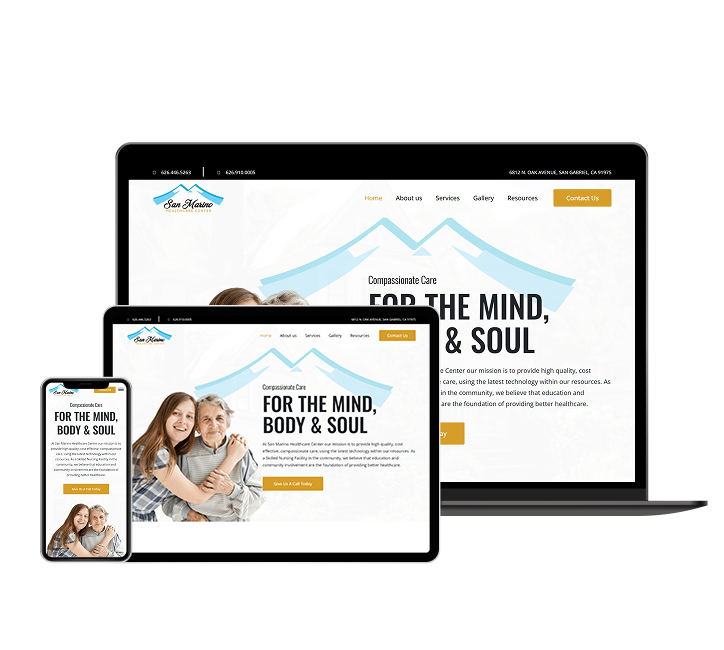
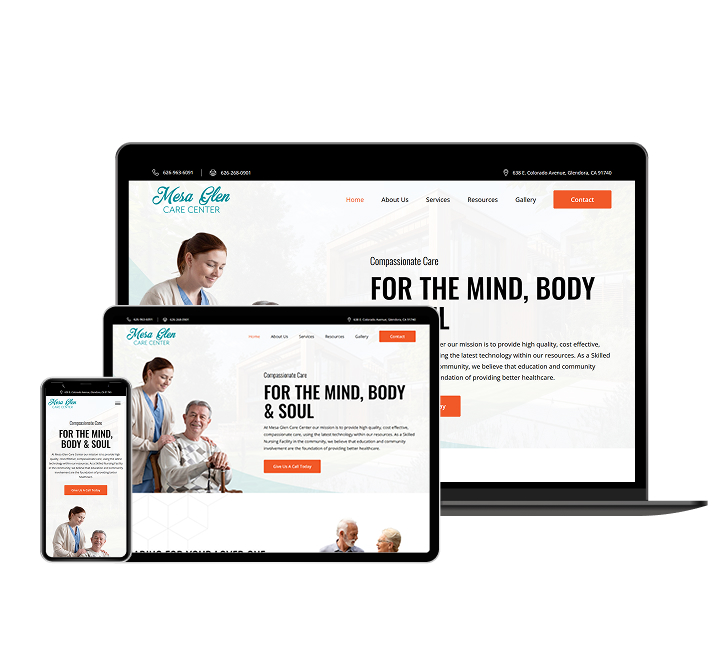
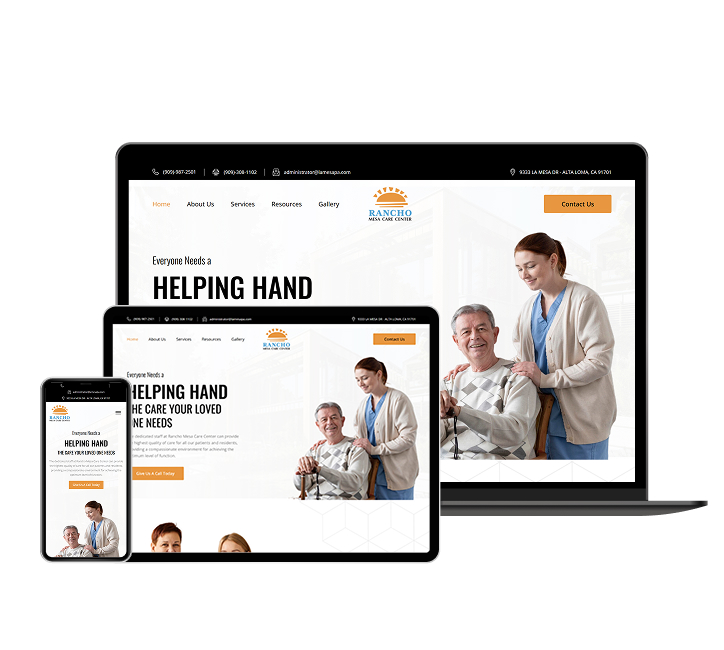
Frequently Asked Questions
The ADA does not name a technical standard for private websites. The Department of Justice has pointed to WCAG as a useful measure, and HHS’s Section 504 rule names WCAG 2.1 AA for organizations that receive its funding. Designing to WCAG is the most widely used way to approach it.
If your facility receives Medicare or Medicaid, HHS’s Section 504 rule applies to your website. It requires WCAG 2.1 AA from May 11, 2027 for organizations with 15 or more employees and from May 10, 2028 for smaller ones, after HHS extended the original dates in May 2026. Ask your attorney how it applies to you.
No. No vendor can, and no certificate prevents a complaint. We build to WCAG 2.2 AA, audit with automated and manual checks, and tell you about any issue we find that we cannot fix.
Not much. Most changes are small: slightly darker text where contrast is low, visible outlines for keyboard users and clearer form labels.
Often yes. We audit the site first, then fix what we can in your current design or rebuild the pages that cannot be fixed. Third-party tools, such as scheduling widgets, may need their own vendor to make changes.
Not by themselves. A script that adds a toolbar to a page does not repair the underlying code, and accessibility professionals widely criticize overlays. We fix the code.